
An Ultimate Guide to Chronicle of a Death Foretold

The story
Gabriel García Márquez’ Chronicle of a Death Foretold is not your average detective story. Centred around the honour killing of a man named Santiago Nasar, the novella unfolds in reverse, with the motive and perpetrators identified almost immediately. As the anonymous narrator divulges, Pedro and Pablo Vicario murdered Santiago Nasar to avenge their sister’s loss of virginity, a fact which is tragically revealed on her wedding night. Nonetheless, culpability is ambiguous; as the title suggests, “there had never been a death more foretold” than that of Nasar, and the narrator ardently names the whole town complicit in the crime. The tragicomic language of dreams and premonitions, intertwining magical realist elements in the otherwise journalistic style of narration, symbolically alludes to this collective complicity. Thematically, the novel explores notions of destiny, honour, and free will, while shedding light on the collective responsibility and guilt of a society bound by traditional customs and gender roles. In this tale of spiritual bondage, García Márquez crafts a haunting portrayal of a community imprisoned in circular thought patterns, where the future seems bound to an immutable past.
The style
One of the most interesting aspects of the novel is its mimicry of journalistic writing. García Márquez was a journalist as well as a novelist, and in Chronicle of a Death Foretold the author pays homage to this style by incorporating faux-witness testimonies and highly detailed (often digressive) observations. Some have argued that the novel’s journalistic prose evolves into a postmodern exploration of storytelling itself - in other words, that the novel is a meta-narrative, a commentary on the act of storytelling itself (see the storytelling section for more on this). More significantly, the story is anchored in the true events of a murder which took place in the Columbian town of Sucre in 1951, which saw a medical student butchered by a machete in a confused duel of honour (ouch!). Though García Márquez uses this event only as a rough sketch for his own story, his commitment to realism suggests that the novel functions as an elaborate commentary on the cultural-political realities of Columbian society.
However, despite its realist approach, the novel also carries an irrefutable touch of magical realism. A genre championed by García Márquez himself, magical realism is a genre which infuses supernatural elements within otherwise realistic settings; as literary critic Jie Lu writes, it ‘grows out of the real to illuminate the real.’ Such elements are subtle throughout the novel, represented for example by the dreams and premonitions which suffuse the novel with a mystical quality. The novel also adopts other aspects often found in the magical realist genre, such as narrative convolution and absurdism (wild coincidences and strange occurrences).
García Márquez also crafts various symbols, as you will see analysed in the sections below. However, keep in mind that many pieces of the story seem symbolic but are more likely irrelevant details crafted to fool you or distract you; in this patchwork of testimonies and random observations, it is ultimately up to you, the reader, to decide which details are important!
The Themes
Tradition and notions of honour
The rituals of marriage, a bride’s rejection, and the restoration of honour through killing: all of these point to a labyrinth of cultural practices deeply embedded in the fabric of twentieth-century Latin American culture. Though the novel is set in the twentieth century, the above events transpire within a continuum of mediaeval traditions originating from the colonial period. These traditions live on in the thought patterns and daily practices of the townspeople, who either blindly follow them or try to circumvent them in secret; some women, for instance, advise Ángela to stage her virginity so that she may display her “linen sheet with the stain of honour,” (39) a bedding ceremony dating back to the middle ages. Criticism of such Catholic morality is also perhaps reflected in the town’s blind and unjustified veneration of the passing bishop, who serves as a potent symbol of the unquestioning adherence to religious authority and customs within Latin American society. In the relentless pursuit of honour, characters (especially those among the lower classes) are compelled to sacrifice everything; take for instance Poncio Vicario, who had “lost his sight from doing so much fine work in gold in order to maintain the honour of the house” (30). It is no coincidence that Poncio loses his sight, as the metaphorical blindness of the townspeople is reiterated throughout the text.
It is the antiquated norms of honour and duty which guide the story to its brutal ending, warning the audience of the fatal and inescapable consequences of a social system that refuses to change. The townspeople are likened to “actors” on a stage, playing out their predetermined role; they either allow the crime to happen because of their blind faith in tradition, or because such traditions have created resentment towards the victim of the crime. Their passivity is powerfully represented in the spectacle that accompanies the public autopsy of Santiago Nasar. The autopsy, “performed at the public school” (75), is reminiscent of the public anatomy lessons of the late mediaeval and early modern periods. Descriptions of “onlookers rang[ing] about the school house windows” (78) evoke disgust towards the townspeople’s voyeuristic attitudes towards death and their role as passive spectators, especially as they eventually “lo[se] their curiosity” and return mindlessly to their daily affairs.
In the climax of the act, the townspeople are confronted with the disembowelled body of Santiago Nasar “holding his hanging intestines in his hands” (119). He appears here, as he does in the autopsy room, as a personified dissection of the town’s values, culture, and morality.The truth, like Nasar’s body, is grotesque, evoking “the shouts of the whole town, frightened by its own crime” (119). It is uncertain as to whether the town will change after the act, but Pedro and Pablo’s freedom strongly suggests the town’s ultimate inability to escape its own static vision.

Rembrandt, The Anatomy Lesson of Dr. Nicolaes Tulp, 1632.
Mauritshuis, The Hague.
Premonitions, blindness, and free will
The novel is replete with premonitions, dreams, and bad omens that escape the characters’ perception or sense of reason. The narrator’s assertion that “there had never been a death more foretold” (50) encapsulates the seemingly predetermined nature of events, which are further emphasised through the magical realist language of dreams and premonitions. We are told that Plácida Linero, an interpreter of people’s dreams, never forgave herself for having mixed up the magnificent augury of trees with the unlucky one of birds” (15). It is also claimed that Santiago has inherited this sixth sense from his mother, yet is blind to the implications of his “palate” tasting like the “sediment of copper” (2). Similarly, the narrator’s own mother fails to predict the murder despite her “powers of divination,” and many others miss possible omens such as the “baptistery smell” (5), Santiago’s own “frozen and stony” hand (13) or the rabbit’s guts being thrown to the dogs. One could argue that the futile pursuit to give events a “rational explanation” (12) suggests that the town is not guilty, but rather a victim to a set of impossible coincidences. However, the inability to read premonitions more likely symbolises the townspeople’s complete blindness to the consequences of their traditions.
Furthermore, while the future seems bound to the past, García Márquez maintains that free will is possible. As aforementioned, the narrator condemns the townspeople’s passive involvement, a notion figuratively reinforced through the statement “there wasn’t a single person, rich or poor, who hadn’t participated in some way in the wildest party the town had ever seen” (18); the characters, bound by cultural customs and social expectations, are implicated in the cycle of violence. This blurs the line between victim and perpetrator, as best evidenced through García Márquez’ characterisation of Pedro and Pablo. The brothers are clearly perpetrators of the crime, yet are simultaneously victims, bound by social expectations of honour and familial duty; their pleas to the townspeople to prevent Santiago’s murder fall silent, leading to the premonitions being fulfilled.
The agency of women
García Márquez further unveils trajectories of resistance adopted by women as they navigate their lives within an oppressive patriarchal society. The objectification of women as dehumanised beings is accentuated in Santiago’s categorisation of women as either “untamed” or “tamed,” a dichotomy rooted in patriarchal understandings of sexuality; note also Nasar’s love for falconry, a sport which is based on the premise of ‘taming’ a bird and which serves as a poignant symbol for Santiago’s machist desire to dominate. In this way, the author portrays the relations between men and women within a framework of conquest, as exemplified by Santiago’s unwelcome advances towards Divina Flor and Ángela’s plight as the passive object of Bayardo San Román’s imperialistic desires. Both Bayardo and Santiago are identified as villains by the women: Luisa Santiaga comments that Bayardo “reminded [her] of the devil” (yet another biblical allusion), and descriptions of Santiago’s “butcher hawk hand” (13) equally vilify him. Such portrayals also challenge the narrator’s perception of both characters as victims. Both Bayardo and Santiago are powerful, wealthy men, characterised to critique the intersection of class and gender exploitation under a Christian value system, whereby women are perceived as objects of conquest.
The sacrifices made to uphold female chastity are also critiqued throughout the novel. This is evident not only through Ángela Vicario’s severe punishment for her transgressions but also through her mother, Purísima del Carmen, who “devoted herself with such spirit of sacrifice to the care of her husband [and] children that at times she forgot she still existed” (31). Suffering is thus an integral part of women’s familial duty and dignity, as further encapsulated in Purísima’s assertion that her daughters have “been raised to suffer” (31).
However despite the confines of patriarchal customs, the female characters wield limited but potent agency. Ángela exercises agency by writing letters to Bayardo, and by naming her aggressor. Similarly, Victoria Guzmán, constrained by her class status, consciously chooses not to warn Santiago of the impending assault, as “in the depths of her heart she wanted them to kill him” (13). As such, García Márquez imbues his female characters with agency whilst condemning the antiquated systems of patriarchal power that lead to fatal circumstances.
In regard to the men themselves, the narrative both satirises and condemns the unbridled machismo which fuels the violence of the plot. It is such machismo which leads the Vicario brothers to despair, since despite their reluctance to fulfil their duty the whole town seems to be in agreement that “honour…doesn’t wait” (62). Significantly, such ideals are upheld by women as well as men, as evidenced by Prudencia Cotes’ assertion that she “never would have married [Pablo] if he hadn’t done what a man should do” (62). The question of whether the men are victims to gendered expectations or perpetrators of their own demise through the fulfilment of such expectations should thus be at the forefront of your reading.
Storytelling
Though the theme of storytelling is quite a minor one, students should be aware of how García Márquez’ narrative serves as a postmodern meta-commentary on the act of writing itself. The novel begins with a metaphor encapsulating the difficulty of recovering a story from fragmented memories, an act similar to ‘trying to put the broken mirror of memory back together from so many scattered shards” (6). The narrative is riddled with gnomons (literary information which is obscured) such as the uncertainty surrounding Ángela’s relationship to Santiago Nasar. This suggests that what we are hearing is not the full picture, but rather a series of half-truths.
García Márquez also sheds light on the subjective nature of storytelling. The novel is replete with embellishments, irrelevant details that allow the reader to understand the diversely varied and subjective perspectives which make up the narrative. Most importantly, and as previously discussed, the perspectives of the women diverge from that of the male narrator, as seen by Divina Flor’s blunt assessment of Santriago as “a shit,” “just like his father” (10). Our understanding of the truth is further obscured by the fact that we see the story through the perspective of the male narrator, who is unable to access the secrets guarded by female characters such as Ángela Vicario.
Some scholars have also argued that the concept of authority in the text becomes enigmatic, as characters like Angela Vicario, by virtue of being quoted so often, have more of an authoritative voice than the narrator himself. The narrative, therefore, should not be perceived as the product of the narrator’s singular thoughts, but as a mosaic of conflicting perspectives. Through the complex web of truths and half-truths woven through the story, García Márquez invites readers to acknowledge the subjective nature of storytelling, and its implications on the way we perceive the world around us.
Concluding thoughts
Gabriel García Márquez's Chronicle of a Death Foretold transcends the boundaries of a typical detective story to critique the antiquated, medievalist customs which pervaded Latin American society at the time of publishing. As a social commentator, García Márquez calls on his readers to condemn the cyclical nature of traditions which influence people to be both perpetrators and victims to their own demise. The cycle is perpetuated eternally through complicity and blindness, as powerfully metaphorized through the magical realist language of dreams and premonitions. However, free will is possible; this is perhaps best illustrated through the limited agency of women in the novel, who exert degrees of freedom and authority despite patriarchal constraints.
The text is undeniably rich with meaning and ideas, and we hope that this short blog has inspired you to look at these complexities with confidence and curiosity!
List of References and further reading:
Pope, R. D. (1987). Transparency and Illusion in Garcia Marquez’ “Chronicle of a Death Foretold.” Latin American Literary Review, 15(29), 183–200.
Jha, S. (2023). Unravelling Marginality and Masculinity: Exploring the Interplay of Gender and Power in Gabriel Garcia Marquez’s Chronicle of a Death Foretold. International Journal of English Literature and Social Sciences (IJELS), 8(3), Article 3. https://journal-repository.theshillonga.com/index.php/ijels/article/view/6449
Williams, R. L. (2010). A Companion to Gabriel García Márquez. Boydell & Brewer. https://doi.org/10.2307/j.ctv24tr9jv
Quiz Time!
What is magical realism in Chronicle of a Death Foretold?
Click to reveal answer
Magical realism blends supernatural elements — such as dreams and premonitions — into an otherwise realistic narrative. García Márquez uses it alongside absurdism and narrative convolution to create a sense of fate and unreality surrounding Santiago Nasar's death.
What are the main themes in Chronicle of a Death Foretold?
Click to reveal answer
Key themes include honour culture and collective complicity, gender inequality, fate and inevitability, postcolonial trauma, and the failure of justice. The novel explores how rigid social codes can make a preventable murder feel inevitable.
What is the narrative structure of Chronicle of a Death Foretold?
Click to reveal answer
The novel uses a fragmented, retrospective structure, mimicking journalistic investigation. The death is announced from the outset, shifting focus from the event itself to the community's role in enabling it and the psychological weight of collective guilt.
How does Chronicle of a Death Foretold critique Colombian society?
Click to reveal answer
The novel exposes how honour codes, gender double standards, and collective passivity allowed a murder everyone knew about to proceed. It critiques postcolonial Latin American society's inherited rigid structures and the silencing of women's agency.
Who is Gabriel García Márquez?
Click to reveal answer
García Márquez (1927–2014) was a Colombian novelist, journalist, and screenwriter who popularised magical realism. A committed leftist, he used fiction to critique colonialism, class, and religious tradition in Latin American society.
Related text guides
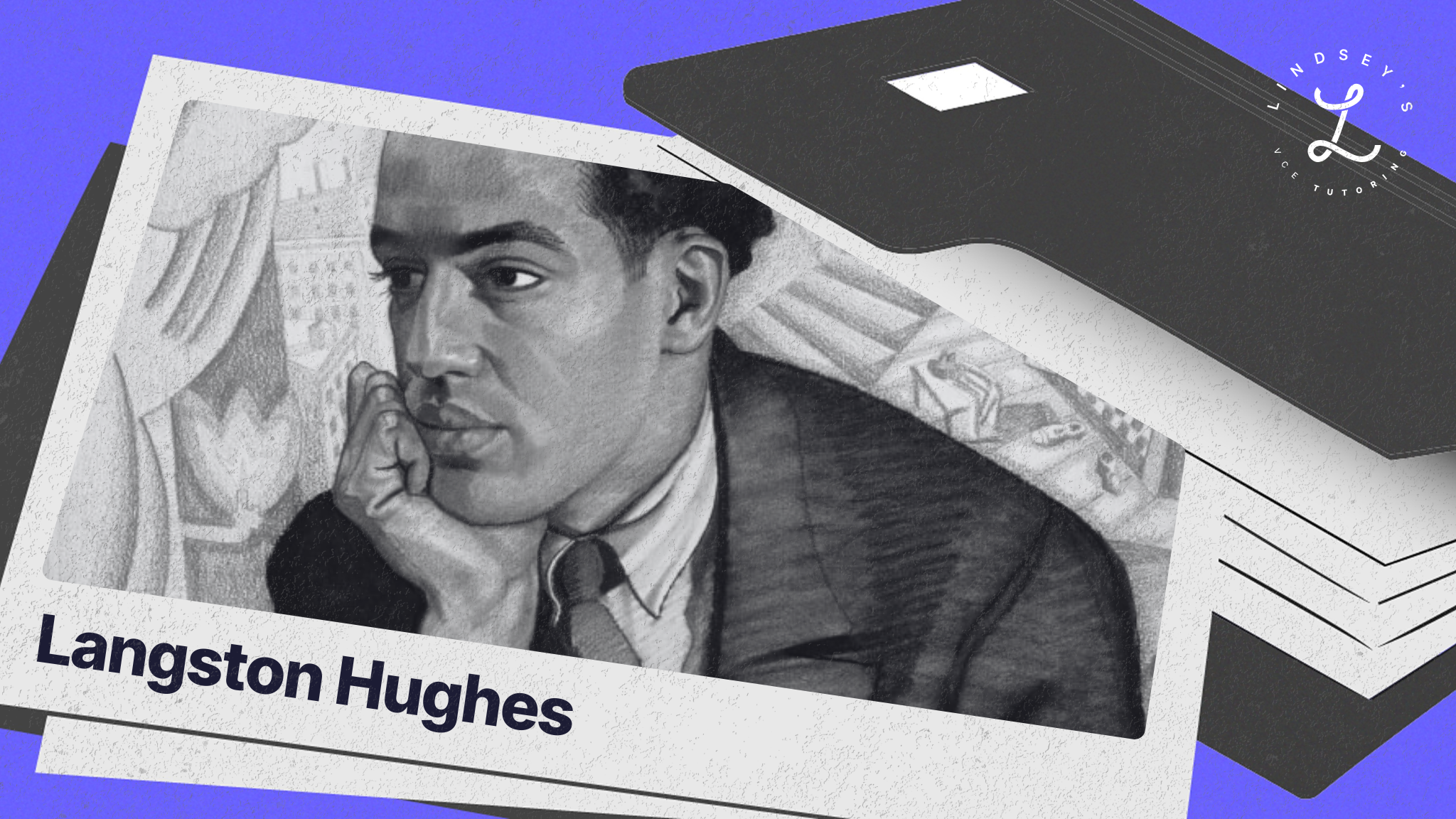
An Ultimate Guide to Langston Hughes
Langston Hughes (1901-1967) was one of the most influential American writers, whose work focused on expressing the African American experience during a time of racial injustice.
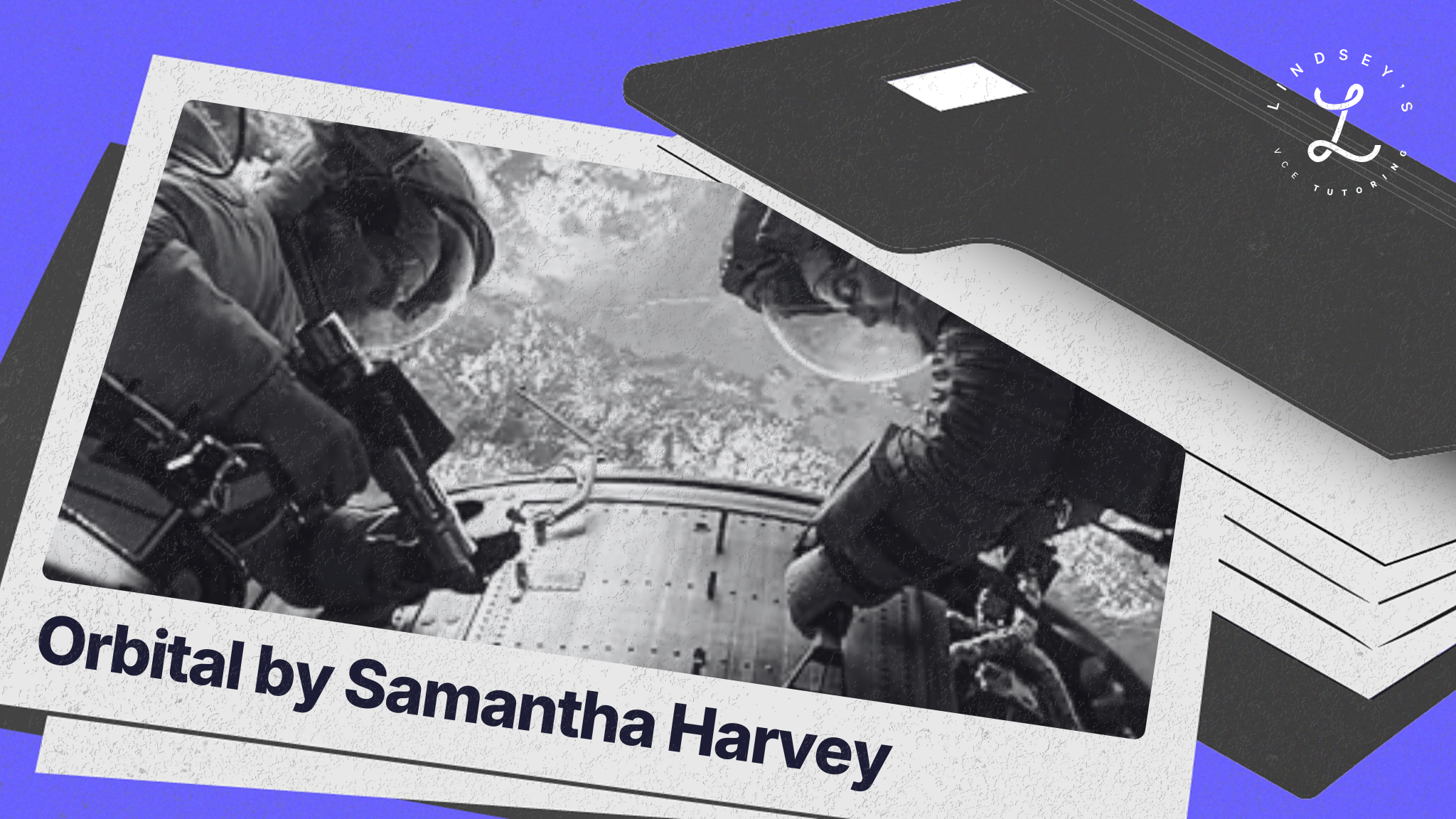
An Ultimate Guide to Orbital
Samantha Harvey’s Orbital (2023) follows a single Earth day in the lives of six astronauts aboard the international space station (ISS), hundreds of miles above earth. As they complete sixteen orbits and witness sixteen sunrises and sunsets, their distant view of Earth encourages reflection on the planet’s beauty, fragility, and the broader significance of human life.
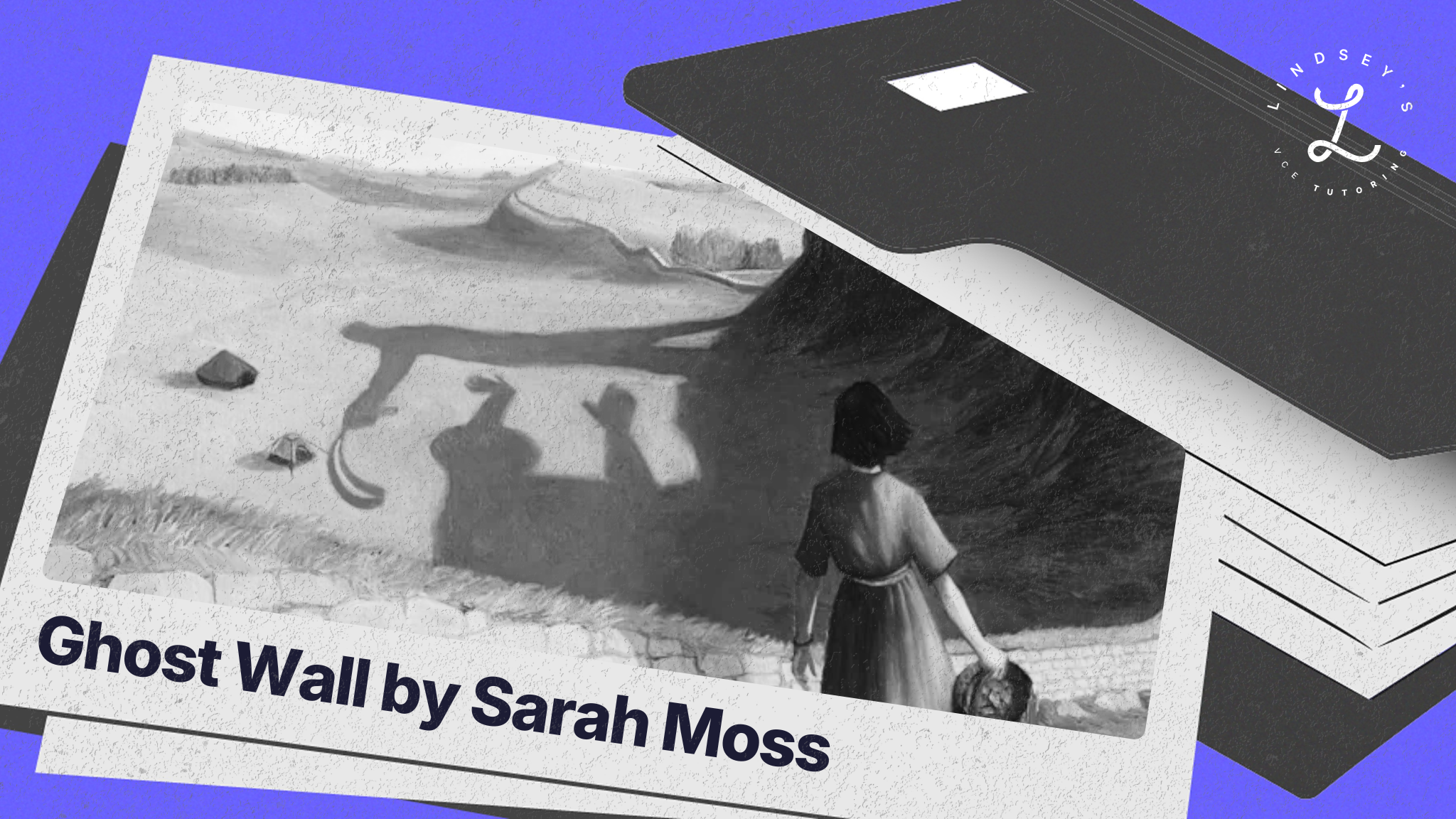
An Ultimate Guide to Ghost Wall
Sarah Moss is a contemporary British novelist, born in 1975 in Glasgow, Scotland. She is known for her literary fiction, including her novels and novellas, and typically explores themes surrounding history, loneliness, family tensions, personal relationships, patriarchy, and women’s roles in society.