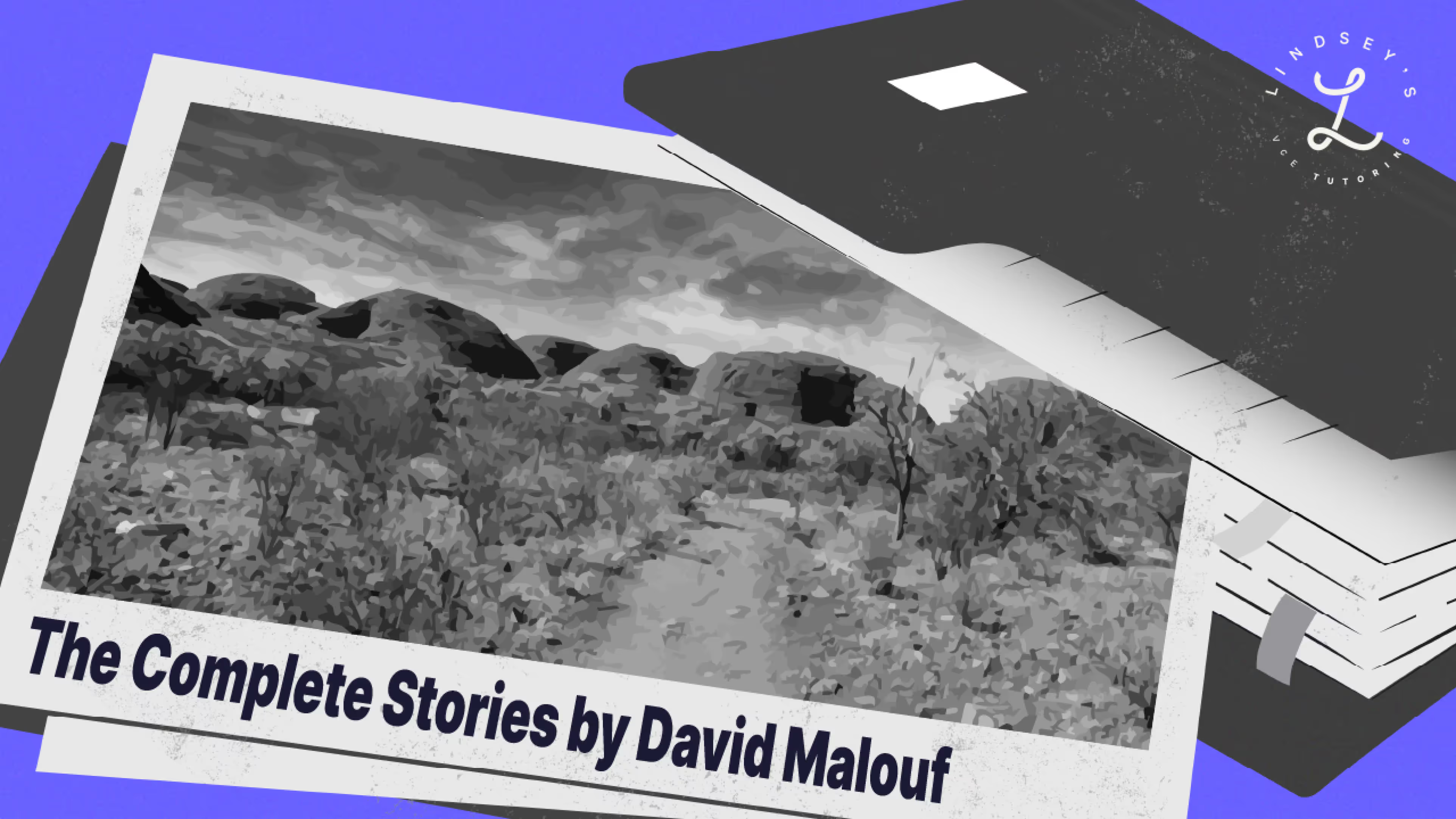
An Ultimate Guide to The Complete Stories by David Malouf

David Malouf's short story collection Every Move You Make compels us to examine the intersections between identity, memory, place, and belonging; in this collection, we confront the tensions between the self and other, and what kinds of transformations may emerge from encounters between the two. Though deeply rooted in the Australian landscape and its history, Malouf's work also transcends regional boundaries and carries an overwhelmingly humanistic tone - his characters are flawed yet profoundly relatable, exiled and 'on the edge' of society until they at last come to understand, through introspection, their place in the world around them.
About the author
David Malouf (b. 1934)
David Malouf is an Australian writer known for his poetry, short stories, and novels. Born in Brisbane in 1934 to a family of migrants, his work often explores themes of identity, memory, place, and the intersection of personal and historical narratives. According to Gale Publications, 'Malouf's writing maps encounters between self and other, tensions between exile and home, and relations between the individual and history--issues holding particular resonance for contemporary Australians.'
Context, style and genre
Lyricism
Malouf's writing is highly descriptive and evocative, delivering a style that has been described as 'pure poetry.' As one reviewer writes, 'Malouf's descriptions of the narrator's sensations and experiences are powerful, evocative and develop the character of his narrator better than any physical description could' (Ball, 2007). This lyricist style of writing enables Malouf to evoke the richness of nature and its metaphysical qualities, as well as to capture human emotions with depth.
Post-Romanticism and humanism
David Malouf's work, though distinctly Australian, explores universal human experiences through a humanist lens. His stories examine the universality of human experience: the search for meaning, shared human experiences, and the essence of our humanity. Characters are flawed yet complex - they do not invoke judgement but rather empathy and understanding. For Le (2019), Malouf's humanism is evident in 'how he errs into compassion rather than condescension.' He showcases a 'sense of wonder towards a world that is both sui generis [unique] and palimpsestic [malleable and changing].'
Romanticism celebrates the sublime, transcendental power of nature and the ways our interior selves can be transformed by it. Some Australian scholars argue that Malouf's work is post-Romantic because it draws from Romanticism without completely adhering to the genre; he recognises the uniqueness of the Australian landscape and Australia's history, and combines Romantic elements with postcolonial ones to reflect on how Australian identity and experiences have been shaped by history and the land.
Postcolonial and historical fiction
Postcolonial literature is literature that is set in, and is deeply critical of, settler-colonial states. It strives to dismantle the colonial assumptions and practices that have contributed to the dispossession of land and injustices towards Indigenous peoples. Malouf's work in particular works to reimagine our relationship with the land, and interrogates what it means to belong or be an Other.
Historical fiction seeks to explore historical truths, settings, and events through the lens of fiction. Malouf is a huge advocate of the power of historical fiction in enabling us to understand our past. He has gone so far as to claim that historical fiction sometimes supersedes non-fiction in getting to the 'truth' about the past, as it demands a more intimate and emotional engagement from the reader.
Themes
Introspection and transformation
Malouf's characters are often propelled into rigorous introspection by their experiences and encounters with others. Characters often grapple with questions of identity, belonging, and mortality. They feel displaced and struggle to find their place in the world. They are forced to examine their lives, choices, and relationships, leading to a deeper understanding of themselves and their place in the world.
These transformations are often triggered by a significant event or encounter, leading to a change in their nature and worldview. Characters move from anchoring their being in external things to looking inward for meaning and self-understanding.
However, change is never totalising in Malouf's work - the past always continues to haunt the present, no matter the degree of the transformation represented. We are never fully 'transformed', but always in the process of becoming, carrying parts of our old selves with us. Ghostly motifs serve to underline this notion throughout the stories (Bennet, 2009).
Stoicism and performing social norms
Malouf explores how in any community or society, performance of expected or desired social norms provides an avenue for external validation and belonging. However, these social norms (such as gender roles), are critiqued by Malouf as ultimately stifling authenticity and self-fulfillment. Hegemonic masculinity and masculine stoicism lead to the suppression of emotion and self-isolation. Characters such as Stuart and Mitch, who put in great effort to perform a charismatic form of masculinity, in an attempt to seek validation from others, actually suffer from isolation and are deeply insecure.
Thus, while these norms sustain superficial relationships - for instance, by allowing men to gain social validation - they do not provide avenues for truly open and authentic relationships; as again evidenced by the fact that characters who are stoic are often distant and alienated.
Human connection, otherness and alienation
Malouf recognises that it is human nature to seek relationships; sometimes, these relationships are superficial - sometimes, they enrich us. Many of Malouf's characters struggle to connect with others and find a sense of belonging. They are on 'the edge' of society - alienated or marginalised.
Many of the relationships - romantic and familial, suffer from emotional detachment and distance. Even when they find reconciliation - such as in Domestic Cantata - certain gaps in understanding remain. Malouf perhaps contends that we will never truly be able to understand one another completely, and that there will always be ambiguities that will never be resolved - this is the nature of human experience. These differences should be respected - we learn more about ourselves when we encounter things that are different from us - when we encounter otherness. However, there are also many uniting forces in Malouf's stories: such as music, art, nature, and place. This sense of unity ultimately conveys a hopeful and humanistic exploration of human relationships.
Relationships with the land
Malouf proffers that our understanding of ourselves is inseparable from our sense of place; the landscape is both a product of our imagination and a source of inspiration for it.
As such, the Australian landscape plays a significant role in the stories, shaping characters' identities and experiences. It is presented as both a transformative force - a source of inspiration and self-reflection, and a mirror for our feelings, desires, and truths, hidden away in our subconscious. In true Romanticist fashion, many of Malouf's characters meet death in the landscape, and find catharsis and understanding in their final moments, as the bodily and earthly integrate.
Short story analysis
Valley of Lagoons
The story explores Angus' anticipation of self-discovery, underscoring his yearning for transformation and acceptance as an outsider with an immigrant family. In the story, Malouf positions Angus metaphorically "in the shadows at the edge," signifying his outsider status, with 'shadow' suggesting marginalisation. In juxtaposition, the McGowans embody "another world" where "different laws" operate, establishing a cultural divide that shapes Angus' sense of otherness. Throughout the story, gender identity emerges as a key distinguishing feature - having "come late into a family of girls," Angus exists more in proximity with femininity than masculinity, whereas Stuart appears to 'perform' his masculinity through being "unpredictably vicious." The landscape mediates transformation through "a consciousness - not simply my own," suggesting identity is inextricably tied to both place and community. Yet Malouf subverts expected transformation - rather than becoming like other "kids who had been out here," Angus finds himself "happily at home in [himself]."
Every Move You Make
This story explores the complexity of human connection through Jo and Mitchell's relationship, examining how interior and exterior selves can create barriers to genuine intimacy. Here, Malouf constructs Mitchell's charismatic yet stoic personality to embody traditional masculine performance, while his hidden vulnerabilities emerge through his relationship with his brother Josh. It is his coma that triggers Jo's primal response, "howling through the streets. Barefoot" and his death that leads to understanding through his hidden brother Josh, revealing how Mitchell's apparent confidence masked deeper disconnection. Malouf uses physical spaces, particularly Mitchell's "calculated and beautiful wrecks" of houses, as metaphors for emotional states and the complexity of human relationships.
War Baby
"War Baby" examines the psychological impact of war and the fragmentation of identity through Charlie's story. It shows how transformation is never complete, with past selves continuing to haunt the present as "ghostly selves." Charlie's desire for adventure and transformation is signified through his literary companions - the Iliad, War and Peace, Sons and Lovers - which naively romanticise war and adventure. Malouf explores masculine stoicism through subtle parallels, such as the grandfather's displaced complaints about a neighbor's dog serving as an outlet for forbidden emotional display. The surrealist language of Charlie's self fragmenting into multiple "ghostly selves [...] sheltered in him" highlights tension between past and present identities. The transmutation of the "dry little park [...] into a new shore" manifests Charlie's inner transformation, though Malouf suggests transformations are never total - "the boy was still there," indicating the persistence of past selves.
Towards Midnight
In this meditation on mortality and transformation, Malouf explores the liminal space between life and death through a protagonist losing control of her body while gaining new insights into existence. Her loss of bodily autonomy - "her own body was not her own" - contrasts with the swimmer's "sturdy" vitality. Yet like Mrs Porter, she discovers immortality through connection to nature - "a breath that might have no end" - suggesting death as transformation into something larger than individual existence. The story parallels "Mrs Porter and the Rock" in its exploration of how characters come to terms with mortality through encounters with the eternal aspects of nature. Malouf uses the swimmer's vitality as a counterpoint to the protagonist's declining health, yet the story suggests that individual mortality is transcended through connection to the natural world.
Elsewhere
A powerful exploration of aspiration and limitation, "Elsewhere" examines the futility of attempting to completely transcend one's origins. Through Harry's journey to Sydney and reflections on Debbie's life, Malouf explores how change is both inevitable and constrained. The story suggests that while characters may seek to escape their past or create new lives, fragments of their history persist and shape their future. The funeral serves as both literal event and metaphor for the death of certain possibilities in life.
Mrs Porter and the Rock
In examining the relationship between settler Australia and sacred spaces, Mrs Porter and the Rock offers a critique of how the land is both commodified and sanctified. In particular, the story juxtaposes the sanctification and commodification of Uluru; while Donald seeks it as a substitute for Western religion with his "weakness for altars," others reduce it to appearing "dripping with tomato sauce as a hamburger." Mrs Porter uniquely recognises its significance for Indigenous culture through visions of a "dark angel," reflecting on white Australia's 'scattered and inconsiderate memory." The Rock's "darkly veined and shimmering" presence becomes a mirror for Mrs Porter's internal state, its directive "Look at this. So, what do you reckon now?" forcing confrontation with buried truths. The story culminates in a meditation on mortality and transformation, suggesting that death itself is a form of becoming part of something larger than the individual self. The vivid imagery of the "dying dolfish" with its "pulsing," "fluttered," "flushing" qualities evokes death as both end and transformation, echoing how Dulcie realises she too "would live forever" through becoming part of something larger than her individual self.
Domestic Cantata
This story examines the tensions between creative freedom and domestic life through the character of Sam, a composer struggling to reconcile his artistic ambitions with family obligations. Sam's struggle between creative freedom and domestic life is symbolised by the "ten-geared blue-and-gold Galaxy" bicycle - "like a giant insect that had blundered in and expired there," representing the encroaching "chaos," "clutter" and "carelessness" of family life. His "enraged" reaction to the sisters reveals a "gap" between his structured values and their embrace of disorder. Julie emerges as a symbol of chaos and vulnerability that challenges Sam's masculine stoicism - his "revulsion" at her presence reflects deep discomfort with disorder, yet this confrontation ultimately triggers transformation.
Symbols and motifs
Dreams
Malouf's dreams, in true Jungian fashion, offer a clear vision into inner truths about ourselves.
Harry, afloat now in the vast realm of sleep, and he, in a lapse of consciousness of a different kind, had taken off [...]
Ghosts
Ghosts symbolise the enduring presence of the past within the present. In Malouf's writing, the past is never fully erased.
The forces under whose watchful gaze they were living - who missed nothing, he came to feel, and were pitilessly demanding
Graves
Graves feature prominently, evidently representing death; but death, in Malouf's writing, is much like the tarot card - it does not merely signify an end, but also new beginnings. It reveals transitions, and forces us to accept change.
It was the bulk of his own body he felt crammed into a coffin.
Quiz Time!
Who is David Malouf?
Click to reveal answer
David Malouf (b. 1934) is an Australian writer born in Brisbane to a migrant family. Known for poetry, short stories, and novels, his work maps encounters between self and other, tensions between exile and home, and the individual's relationship with history.
What writing style does David Malouf use?
Click to reveal answer
Malouf's style is lyrical and deeply descriptive — often called "pure poetry." His evocative prose captures both the richness of the Australian landscape and the complexity of human emotion with metaphysical depth.
What are the main themes in David Malouf's Every Move You Make?
Click to reveal answer
The collection explores identity, memory, place, and belonging. Malouf examines the tension between self and other, and the transformations that emerge from human encounters. Though rooted in Australia, the stories carry a universal humanist tone.
What does post-romanticism mean in Malouf's work?
Click to reveal answer
Malouf uses a humanist, post-romantic lens to explore universal experiences: the search for meaning, exile, and encounters between self and other. His flawed characters invite empathy rather than judgement, reflecting the shared essence of humanity.
Related text guides
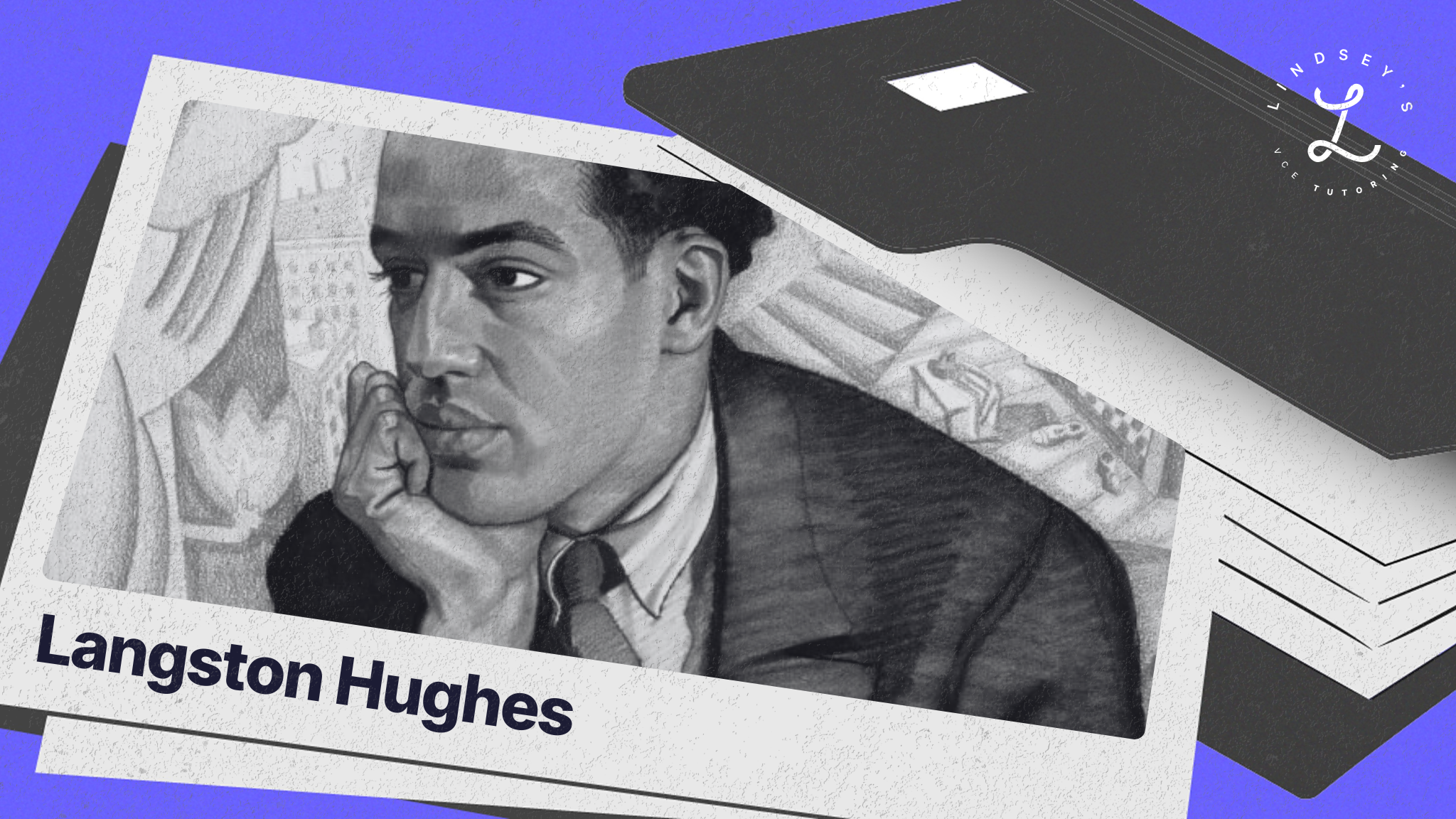
An Ultimate Guide to Langston Hughes
Langston Hughes (1901-1967) was one of the most influential American writers, whose work focused on expressing the African American experience during a time of racial injustice.
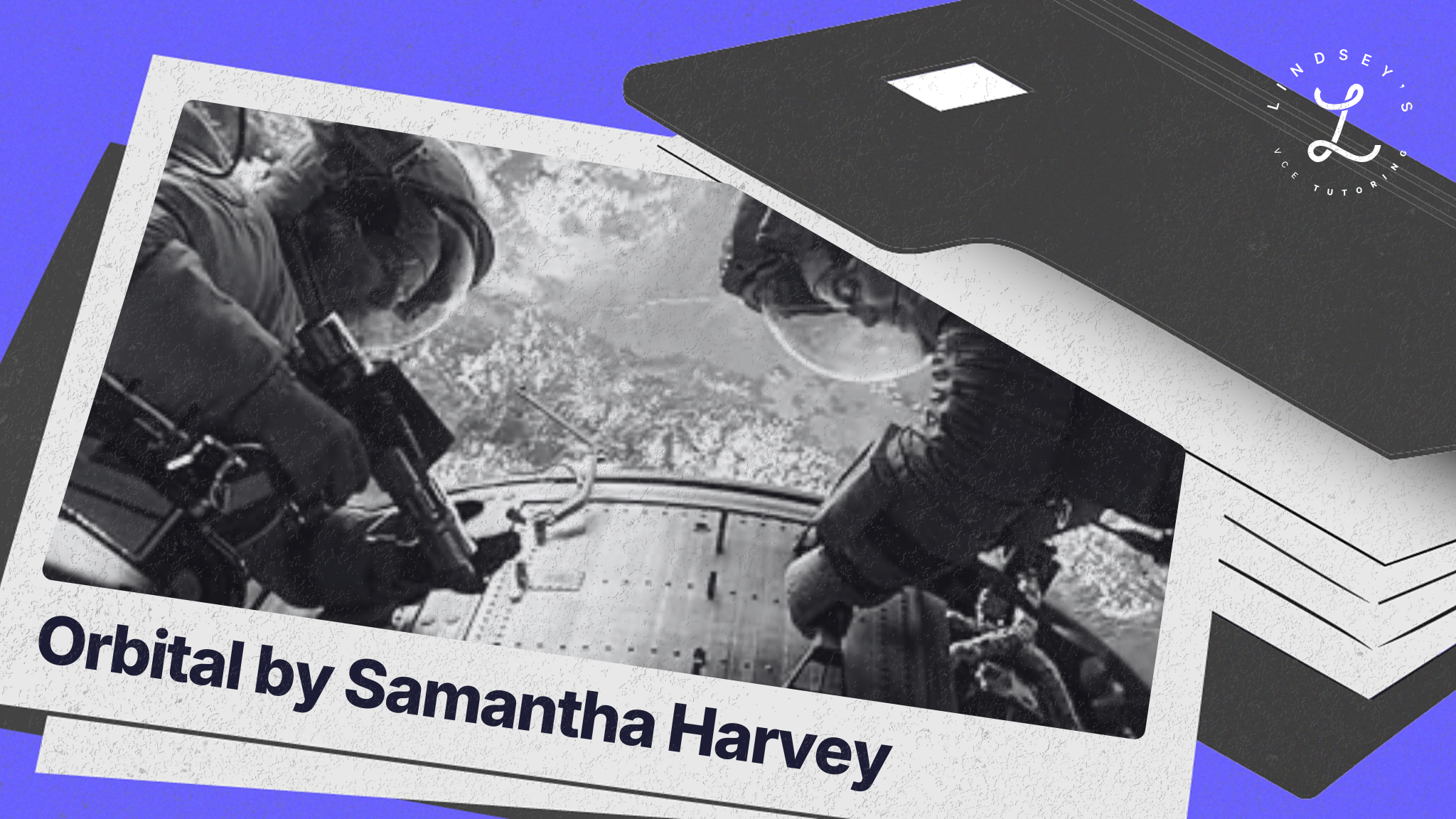
An Ultimate Guide to Orbital
Samantha Harvey’s Orbital (2023) follows a single Earth day in the lives of six astronauts aboard the international space station (ISS), hundreds of miles above earth. As they complete sixteen orbits and witness sixteen sunrises and sunsets, their distant view of Earth encourages reflection on the planet’s beauty, fragility, and the broader significance of human life.
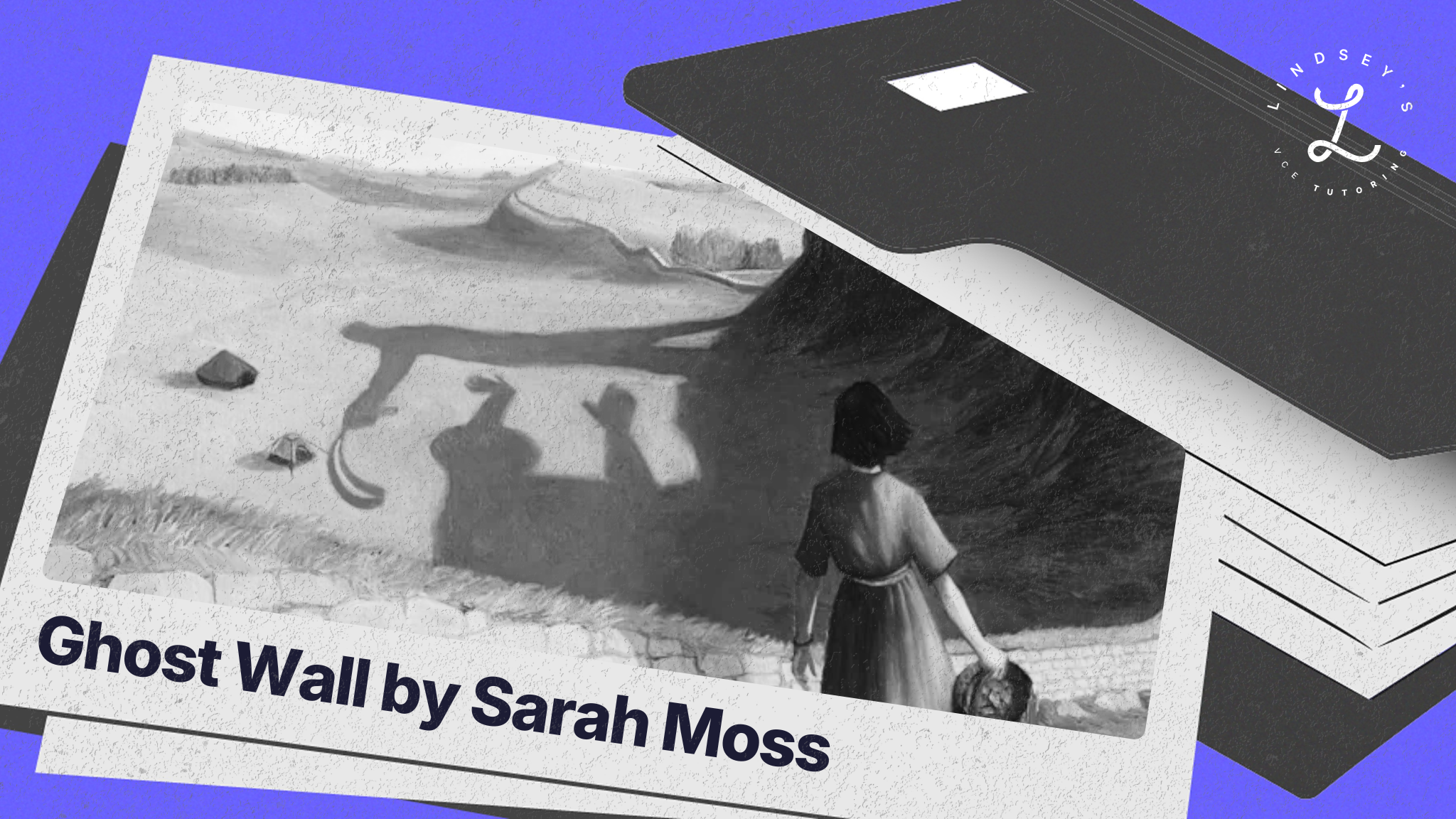
An Ultimate Guide to Ghost Wall
Sarah Moss is a contemporary British novelist, born in 1975 in Glasgow, Scotland. She is known for her literary fiction, including her novels and novellas, and typically explores themes surrounding history, loneliness, family tensions, personal relationships, patriarchy, and women’s roles in society.